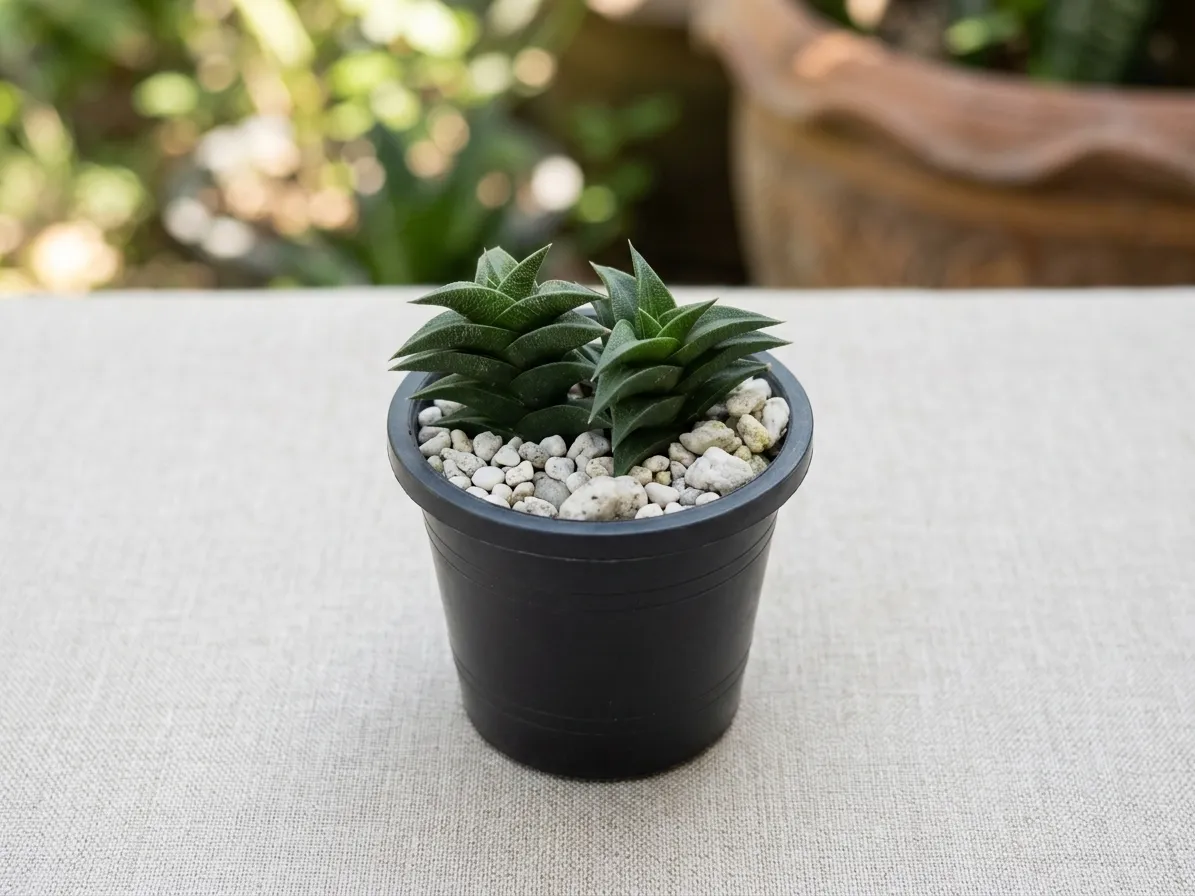
Haworthia Viscosa
Commonly known as Pagoda Succulent or Tower Haworthia in local Pakistani nurseries, this distinctive species features dark green, triangular leaves tightly stacked in three symmetrical vertical columns. Extremely hardy and slow-growing, its structured column shape makes it a unique decorative piece for modern desks, bookshelves, and bright indoor spaces.
Sunlight
Bright Indirect Light
Watering
Very Low (Water every 2–3 weeks; allow potting soil to completely dry out)
Plant Type
Stacked Column Indoor Succulent
Pot Size
Approx 3 Inches
Hand-Delivered Safely
Specially packaged for transit, anywhere in Pakistan. If it arrives unhealthy, we replace it.
Three columns, and it keeps them
Haworthia viscosa — Pagoda Succulent or Tower Haworthia in local nurseries, now filed botanically as Haworthiopsis viscosa — stacks its short, stiff, dark green leaves in three neat vertical ranks. Looked at from above it is a triangle; from the side it is a small tower. The leaves are rough to the touch and pointed, and the plant keeps that shape without any trimming.
It is slow. A tower gains height over years, not months, and it spreads by sending up new columns from the base. That slowness is the appeal on a desk or a bookshelf: it looks the same next year as it does the day it arrives.
Light
Bright indirect light, with some gentle morning sun if you have it. It is tougher in the sun than the windowed Haworthias, but full afternoon sun through glass in June will still bronze the leaves and dry the tips. In too little light the columns loosen and lean toward the window, and the gaps between leaves open up — turn the pot every couple of weeks so it grows straight. The summer care guide covers pulling plants back from the glass once the afternoons pass 38°C.
Water
Every two to three weeks, and only when the soil is dry all the way through. Water the soil, not the plant: water trapped between those tightly stacked leaves sits there and rots the column from inside. During the July and August monsoon, when nothing indoors dries properly, wait longer between waterings than you think you need to. Lower leaves turning yellow and soft is the warning sign; read how to save a dying succulent before it reaches the stem.
Soil and potting
A gritty, fast-draining mix in a pot with a drainage hole — the soil mix guide has the ratio. It likes a snug pot and rarely needs repotting. New columns that form at the base can be separated once they have their own roots.
Winter
From November to February it barely grows. Water sparingly, keep it off cold glass at night, and keep it out of the direct blast of a heater.
Good to know
Haworthias are non-toxic to cats and dogs. The leaf tips are pointed enough to notice, but not sharp enough to be a hazard.
Care Guides for Haworthia Viscosa
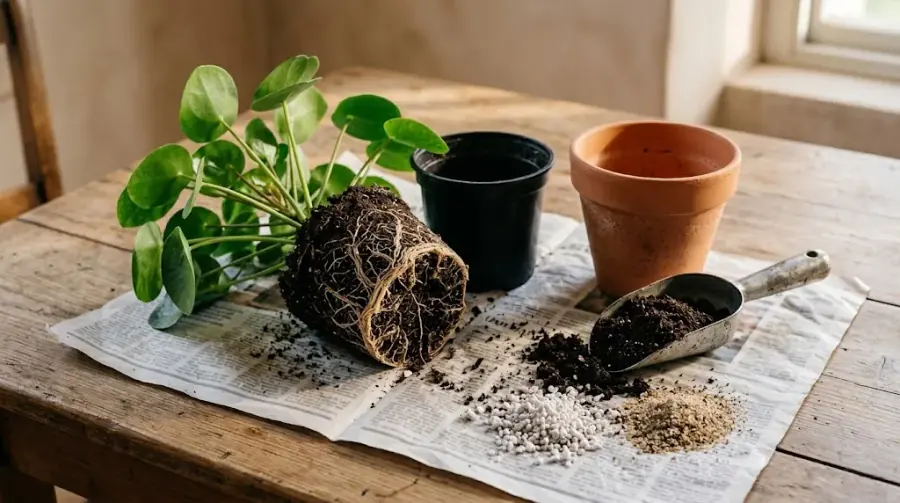
How to Repot an Indoor Plant — A Pakistani Guide
Repotting at the wrong time kills more plants than it saves. Learn when to repot, what soil to use, and the exact steps — adapted for Pakistani conditions.
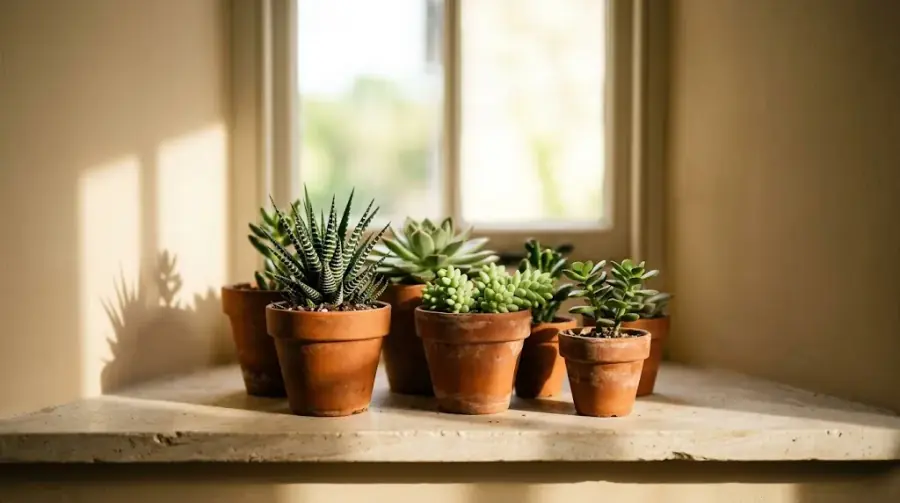
Summer Plant Care in Pakistan — Surviving 45°C
Islamabad and Rawalpindi summers cross 45°C, then turn humid overnight in monsoon. Here is how to keep your indoor plants alive through both.
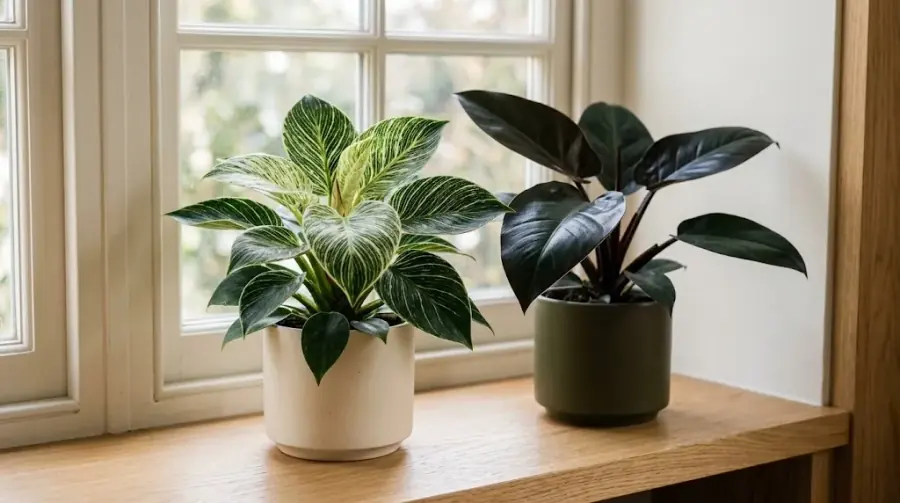
Philodendron Care in Pakistan — Birkin, Black Cardinal & Beyond
Philodendrons are the easiest way into rare foliage collecting. Here is how to keep Birkin, Black Cardinal and other varieties thriving in Pakistani homes.