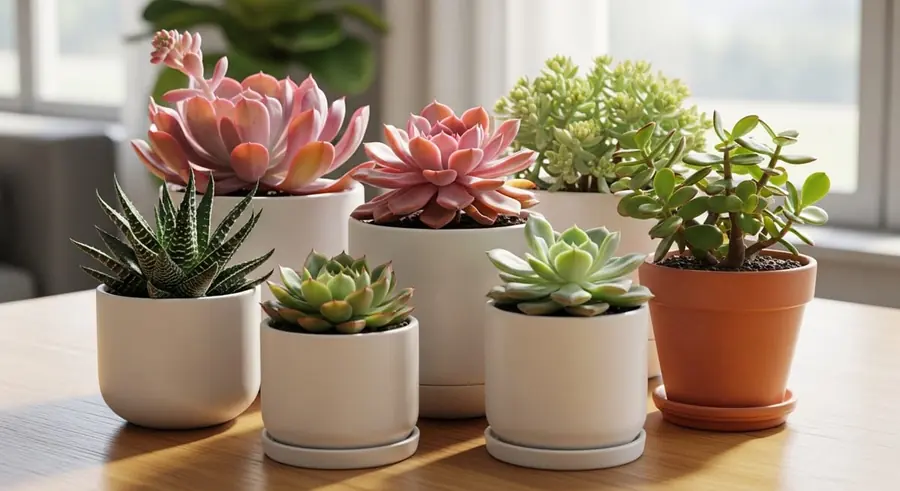
Why Succulent Care is Different in Pakistan
Succulents are resilient, but the intense heat of cities like Lahore, Karachi, and Islamabad presents unique challenges. Unlike the dry deserts of their origin, our monsoon humidity and 40°C+ summers require a specific approach to keep your green friends thriving.
Almost every care guide online is written for a temperate climate — somewhere that never sees 45°C in June and never sees three weeks of soaking humidity in August. Follow that advice here and you will lose plants. The two things that kill succulents in Pakistan are the afternoon sun in early summer and watering on a fixed schedule through the monsoon. Everything below is organised around avoiding those two.
1. Finding the Perfect Light
Most succulents love bright, indirect light. In Pakistan, the afternoon sun (1 PM – 4 PM) can actually sunburn the leaves, leaving permanent brown spots.
Best Spot: An East-facing windowsill where they get gentle morning sun.
Summer Tip: If your plants are on a balcony, use a green net (shade cloth) during June and July.
Moving a plant outdoors: Do it over two weeks, an hour more sun each day. A plant acclimatised to a room will scorch in a single afternoon of direct June sun.
Sunburn does not heal. The marked leaves stay marked until they are eventually shed, so damage done in June is still visible in October. Prevention is the whole game.
2. The "Soak and Dry" Watering Method
The #1 reason succulents die in Pakistan is over-watering, especially during the humid monsoon season.
Check the Soil: Stick a finger 2 inches deep. If it's even slightly damp, do not water.
The Soak: When bone dry, pour water until it runs out of the drainage holes.
The Wait: In summer, this might be every 5-7 days. In winter, it could be once every 3 weeks.
Water the soil, not the plant. Water that collects in the centre of a tight rosette and sits there in warm weather is the most common cause of crown rot — the plant looks perfect one week and collapses from the middle the next.
Never water on a schedule. A calendar cannot know that it rained yesterday, or that the humidity has kept the pot damp for ten days. The finger test takes three seconds and it is the only reliable method.
3. The Secret is in the Soil
Never use regular "Bhal" or garden soil alone. It holds too much water. At Succulent Studio, we recommend a mix of:
40% Leaf Mold
40% Pumice or Perlite
20% Clean Sand
Use coarse sand, not fine construction sand — fine sand fills the gaps between soil particles and makes drainage worse, which is the opposite of the intent. Perlite is sold at most nurseries in Islamabad and Rawalpindi; pumice is harder to find but lasts longer because it does not crush down over time.
4. Pots and Drainage
A drainage hole is not optional. No soil mix, however gritty, saves a plant sitting in water at the bottom of a sealed pot. If you have a decorative pot with no hole, keep the plant in a plastic nursery pot inside it and lift it out to water.
Terracotta is the better material for our climate. It is porous, so it breathes and dries the soil faster than plastic or glazed ceramic — a real advantage through the monsoon, and a manageable disadvantage in the dry heat of May when you simply water slightly more often.
Pot size matters more than people expect. A small plant in a large pot sits surrounded by damp soil its roots cannot reach or use, and that soil stays wet for weeks. Go up one size at a time.
5. The Succulent Year in Pakistan
March to April is the growing season and the best window of the year. Plants are actively pushing new growth, watering can be regular, and this is the right time to repot or propagate.
May to June brings the heat. Move plants back from south and west-facing glass, add shade cloth on balconies, and water in the early morning or after sunset rather than the middle of the day.
July to August is the monsoon and the most dangerous period of the year. The air stops soil drying. Stretch watering gaps out, improve airflow, and if a plant is outdoors under heavy rain, move it somewhere covered. More succulents are lost in these two months than in the rest of the year combined.
September to October is the second growing window and the other good time to propagate.
November to February is dormancy. Growth stops, water needs drop to roughly once every three weeks or less, and the risk shifts to cold nights on a windowsill and to dry indoor heat. Keep plants off freezing glass and away from the direct blast of a heater.
6. Feeding
Succulents evolved in poor soil and need very little. A balanced liquid fertiliser at half the recommended strength, once a month during March to April and September to October, is plenty. Never feed a dormant plant in winter, and never feed one that is stressed, sunburnt or recovering from rot — it cannot use the nutrients and the salts build up in the soil.
7. Pests
The common pest here is the mealybug: small white cottony clusters tucked into the joints between leaves and at the base of the rosette. They spread quickly and hide where you cannot see them.
Treatment: Touch each cluster with a cotton bud dipped in surgical spirit, then check again after a week. They almost always come back once.
Isolate new plants for two weeks before putting them next to your collection.
Fungus gnats — small flies around the soil — are not really a pest. They are a symptom that the soil is staying wet for too long.
8. Troubleshooting Common Problems
Yellow/Mushy Leaves: This is root rot from over-watering. Stop watering immediately and check the roots.
Stretching (Leggy) Stems: Your plant is "searching" for light. Move it to a brighter spot.
Shriveled Leaves: Your plant is thirsty! Give it a deep soak.
Brown, dry, papery lower leaves: Normal. Rosettes shed their oldest leaves as they grow. Pull them off once they are fully dry.
Leaves dropping at the lightest touch while still firm: Stem rot, not thirst. Stop watering entirely.
Colour fading from red or purple back to green: Not enough light. The colour returns when the light does.
Which Succulents to Start With
If you are buying your first succulent, start with something that tolerates mistakes. Haworthias handle lower light than most and survive being forgotten. Snake plants and ZZ plants are close to indestructible and cope with rooms that get almost no direct sun. Jade is forgiving and grows into a genuine small tree over years.
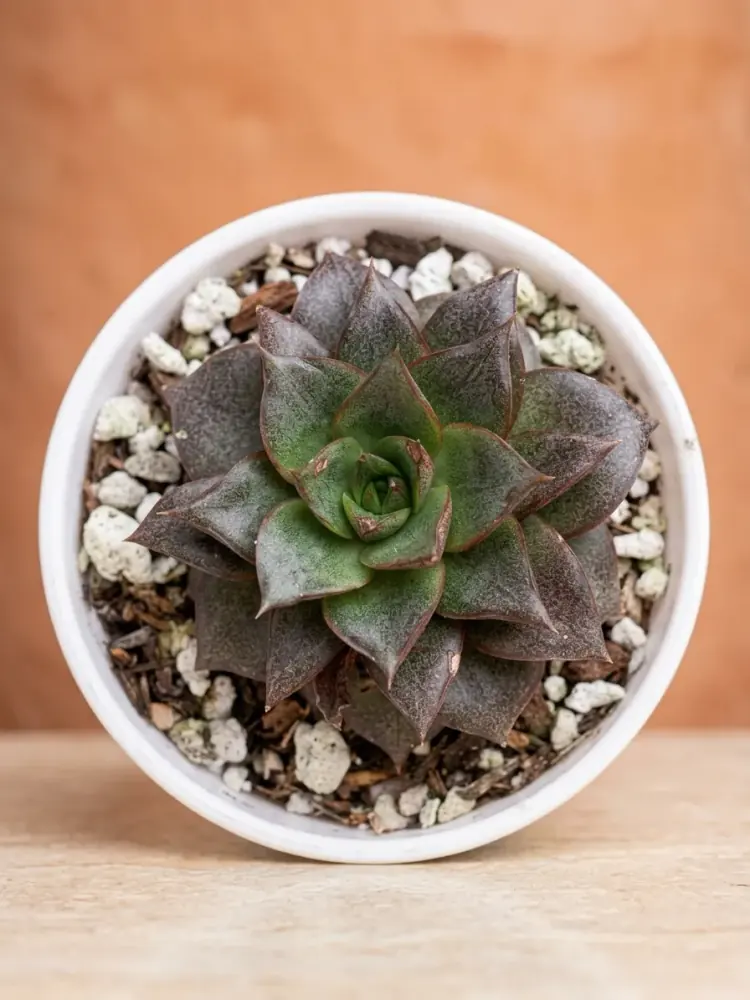
Leave the plants that need strong light and precise watering — the dark Echeverias, the powdery pastel varieties, most variegated collector plants — until you have kept something alive through one full summer and one full monsoon. They are not harder to care for so much as less forgiving of the one mistake everybody makes at the start, which is watering too often.
Shop the Guide
Everything you need to get started.