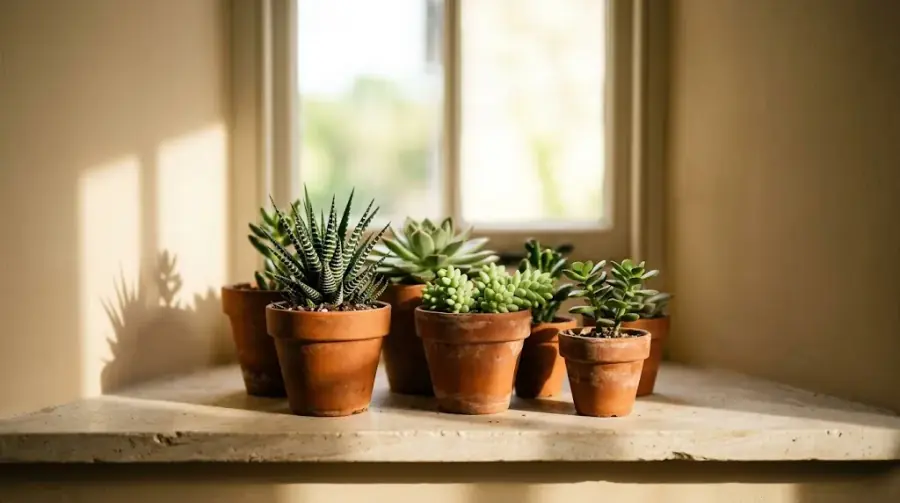
Why Summer Is Harder on Plants Than Winter
Most plant owners in Pakistan brace for winter, but summer in the Twin Cities is the season that actually kills more houseplants. Between May and July, Islamabad and Rawalpindi regularly cross 42-45°C, indoor rooms hold that heat well past sunset, and dry loo winds strip moisture from leaves faster than roots can replace it.
Then, almost overnight in July, the monsoon arrives and humidity jumps from around 20% to over 70%. Your plants have to survive two completely opposite climates within a few weeks — and the care that saves them in June will rot them in August.
Phase One: The Dry Heat (May to Early July)
Water deeply, not frequently
The instinct in extreme heat is to sprinkle water every day. This is the most common mistake we see. Shallow daily watering keeps only the top inch damp, which encourages roots to stay near the surface where the soil is hottest.
Instead, water thoroughly until it drains from the bottom, then wait until the top 2 inches are dry again. For most indoor foliage in June that means every 3-4 days; for succulents and cacti, every 10-14 days is still plenty.
Water at the right time of day
- Best: early morning, before 8am, so roots absorb before peak heat.
- Acceptable: after sunset.
- Avoid: midday. Water sitting on leaves in direct afternoon sun causes scorch marks.
Move plants away from west-facing windows
West-facing glass in Islamabad from 2pm onwards behaves like a magnifying glass. Even plants labelled "bright light" — including Jade and most succulents — will develop bleached white or brown patches. Pull them 2-3 feet back from the glass, or diffuse with a light net curtain.
Watch for these heat-stress signals
- Crispy brown leaf edges — dry air and underwatering.
- Sudden leaf drop — the plant shedding what it cannot support.
- Wilting that recovers overnight — normal heat response, not an emergency.
- Wilting that does NOT recover by morning — root problem. Check drainage.
Phase Two: The Monsoon Swing (Mid-July to September)
When the rains begin, the danger flips completely. Humidity climbs, soil stays wet far longer, and evaporation slows to a crawl. The same watering schedule that kept your plant alive in June will now drown it.
Cut watering by roughly half
Before every watering during monsoon, push a finger 2 inches into the soil. If there is any moisture at all, wait. A plant can recover from a missed watering; it rarely recovers from root rot.
Increase airflow
Stagnant humid air is where fungal problems start. Open windows when it is not actively raining, run a ceiling fan on low, and give crowded shelves some breathing room between pots.
Watch for fungus gnats and mildew
Small black flies around the soil mean it is staying wet too long. Let the top layer dry out fully. White powdery patches on leaves indicate mildew — improve airflow and wipe leaves with a clean damp cloth.
What Not to Do in Summer
- Do not repot in peak heat. Root disturbance plus heat stress is a common cause of death. Wait for late September, or see our repotting guide.
- Do not fertilise a stressed plant. Feeding a plant that is already struggling burns the roots. Resume feeding when temperatures settle.
- Do not mist succulents. Misting raises humidity around plants that are adapted to dry air, inviting rot.
- Do not leave saucers full of water. Standing water in heat becomes a mosquito breeding ground and keeps roots waterlogged.
Plants That Handle a Pakistani Summer Best
If you are building a collection that survives the season with minimal intervention, these hold up well indoors:
- Haworthia and Gasteria — tolerate heat and near-total neglect.
- ZZ Plant — stores water in its rhizomes, thrives on being forgotten.
- Aglaonema — handles low light and warm rooms comfortably.
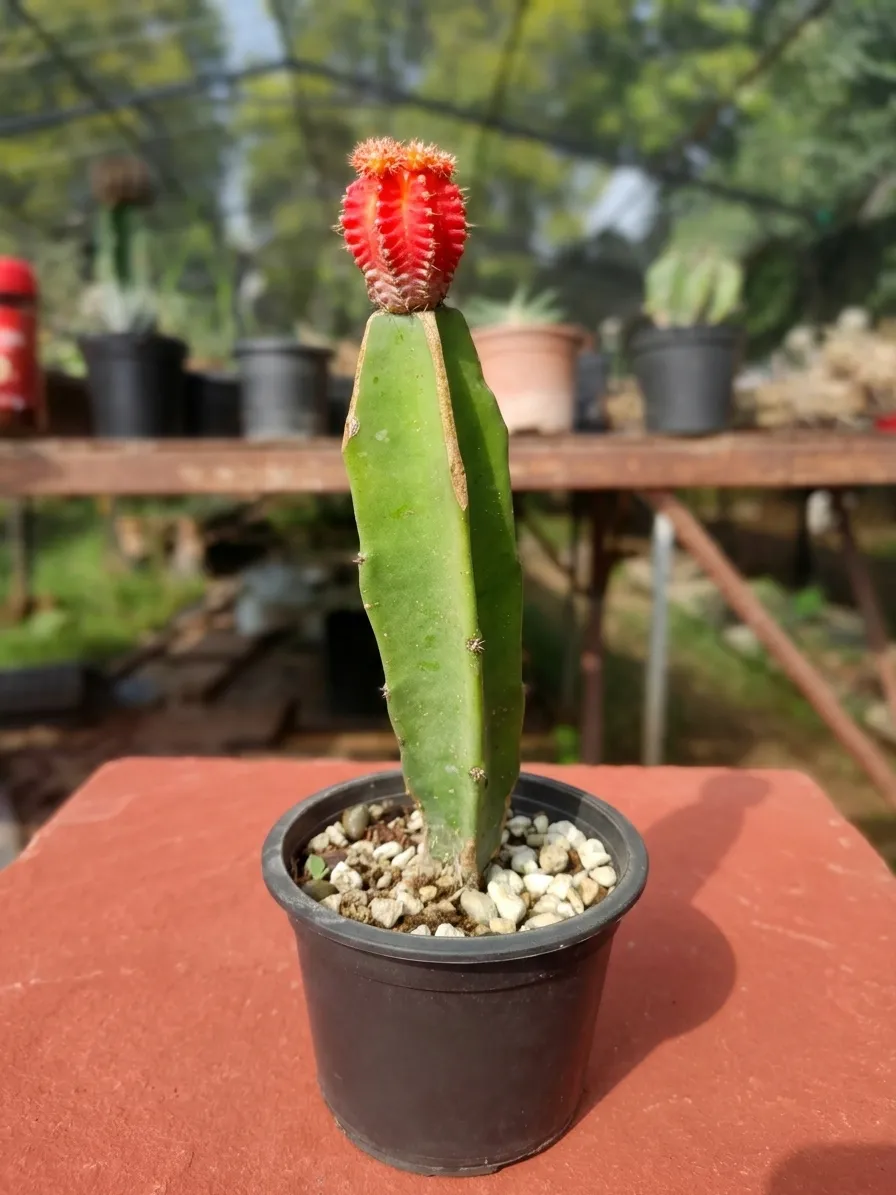
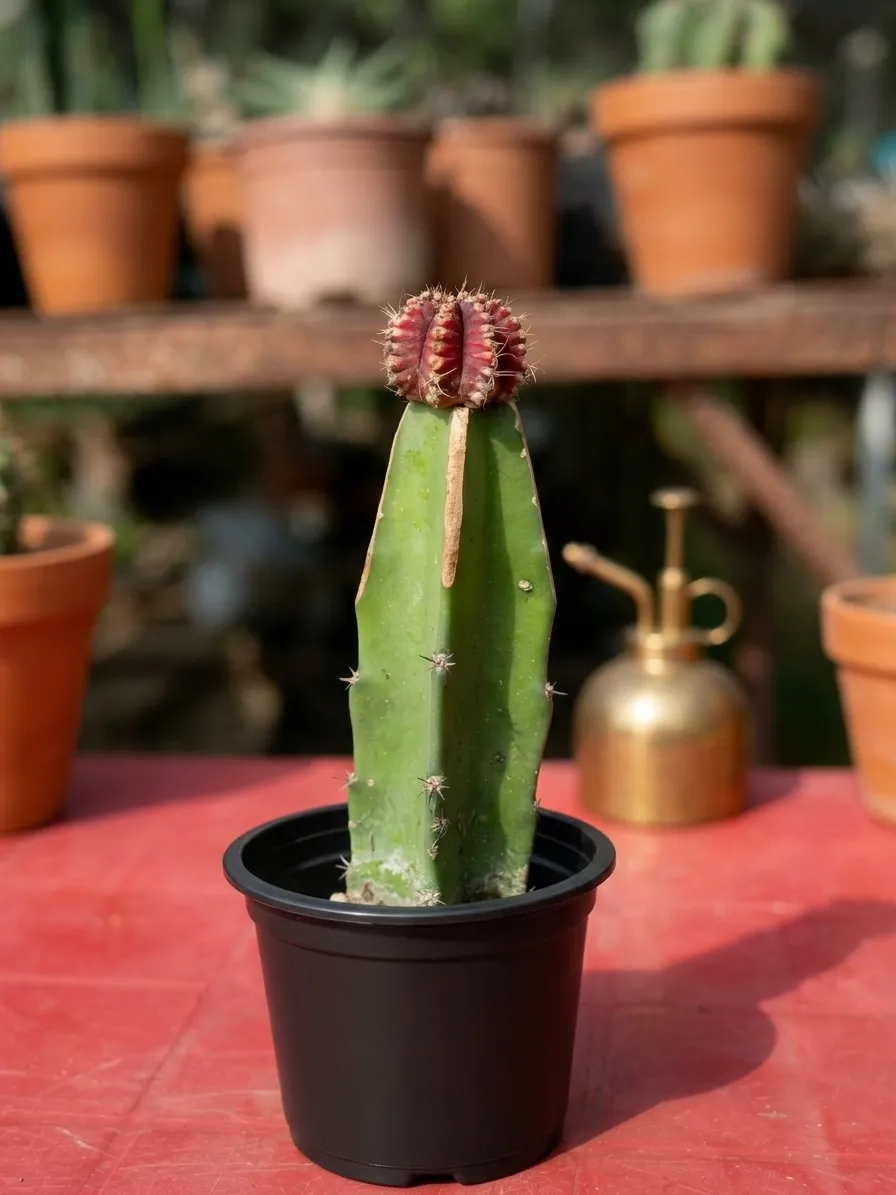
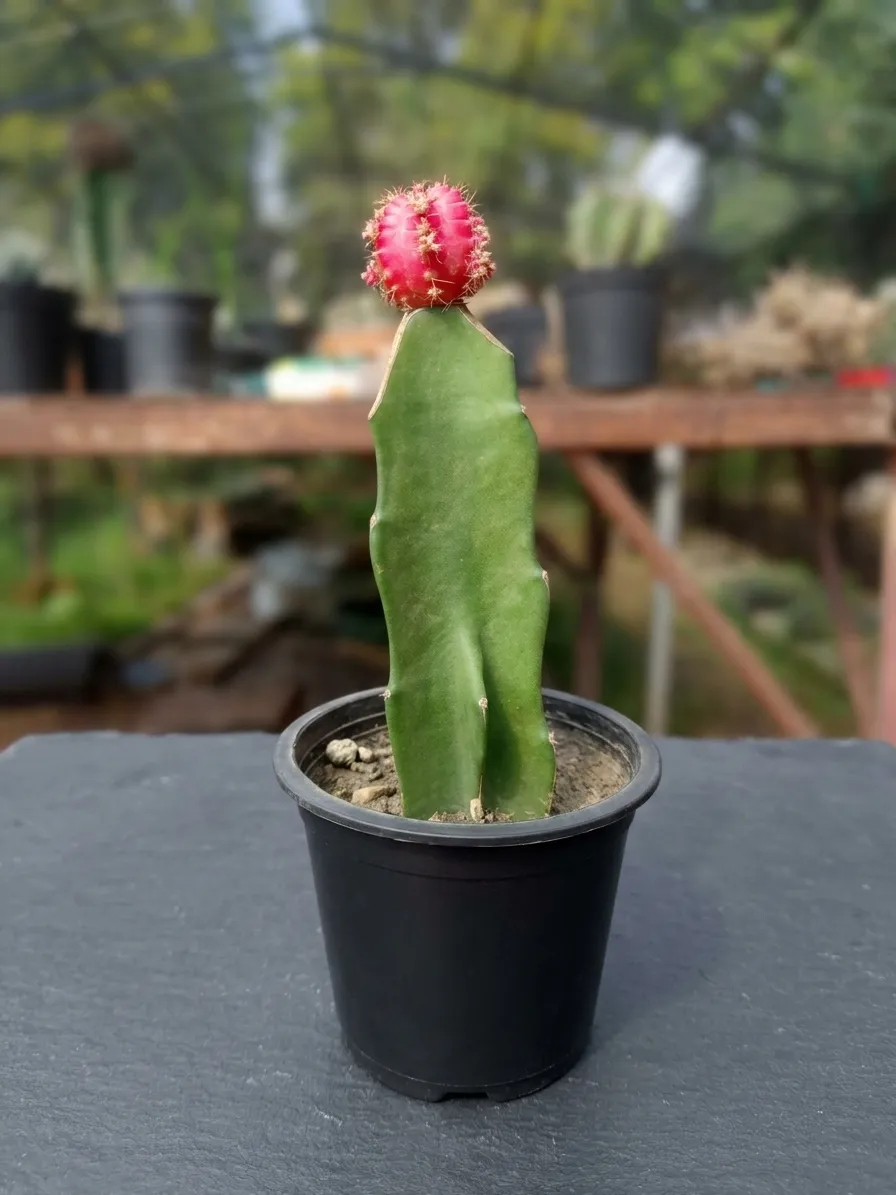
- Cacti — genuinely enjoy the heat, provided the soil drains fast.
A Quick Summer Checklist
- Move plants back from west and south-facing glass.
- Water deeply in the early morning, not shallowly at midday.
- Check soil with a finger before every single watering.
- Halve your watering frequency once monsoon starts.
- Keep air moving; empty every saucer.
- Postpone all repotting and fertilising until late September.
Still Losing a Plant?
Send us a photo of the plant and its soil on WhatsApp and we will tell you what is going wrong. Our care line stays open for every plant we deliver — for as long as you own it.
Shop the Guide
Everything you need to get started.