Office Plants Do Not Die of Neglect. They Die of Ambiguity.
Ask why the plants in a Pakistani office died and you will hear that nobody watered them. That is the symptom. The cause is that watering them was nobody's actual job. It sat somewhere between the office boy, the admin manager and whoever happened to notice, which means it belonged to no one.
This matters because it changes what you should buy. If a plant needs attention twice a week to survive, it will not survive your office — not because your team is careless, but because no recurring task without an owner survives a busy quarter. The right answer is plants that tolerate being forgotten, placed where they get the light they need, with one named person or one standing arrangement responsible for water.
What a Pakistani Office Actually Does to a Plant
Offices are a harsher environment than most homes, in specific ways worth naming:
Air conditioning from nine to six, then nothing. AC strips humidity all day and the unit goes off at night and all weekend. Plants that need steady humidity — ferns, calatheas, most marantas — fail here regardless of watering.
Two dead days every week. Nobody is in on Sunday. Any plant on a schedule tighter than "once a week, roughly" is on a schedule your office cannot keep.
Load-shedding heat spikes. When the power goes and the AC stops in June, a closed office can climb past 40°C in a few hours. Tender foliage cooks; succulents and hardy aroids shrug it off.
Interior rooms with no window at all. Meeting rooms and back offices are often lit entirely by ceiling panels. Very few plants genuinely tolerate that, and most of the ones sold as "low light" merely survive it slowly while declining.
Enthusiastic overwatering. The most common cause of death is not drought. It is three different people each giving the same plant a glass of water on the same morning.
The Five That Survive
These handle the conditions above with no special treatment:
ZZ Plant (Zamioculcas) — the most tolerant office plant there is. It stores water in underground rhizomes, so it can miss weeks without complaint, and it accepts low light better than almost anything else. If you buy one plant for a windowless room, buy this.
Snake Plant (Laurentii) — upright, structural, and effectively indestructible. Good for corridors and beside doorways where a wider plant would be knocked.
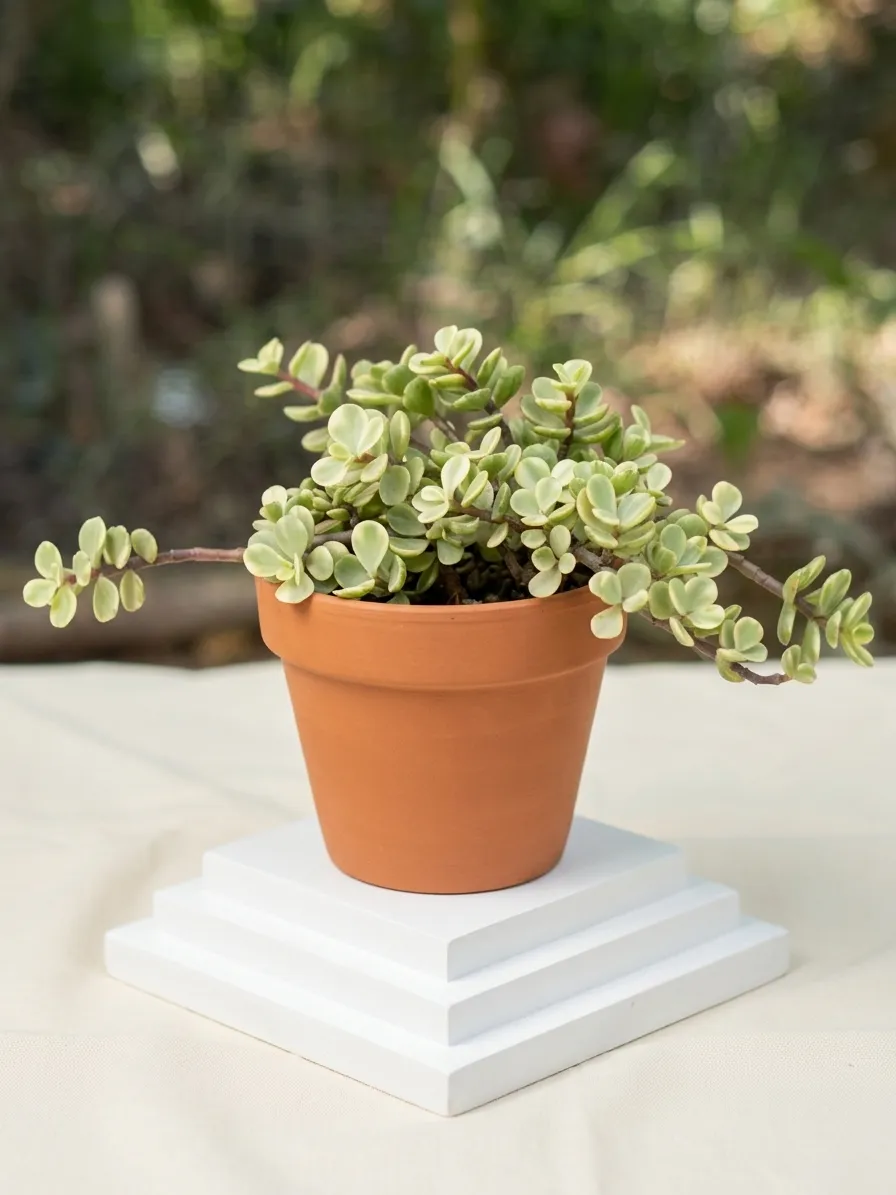
Jade Plant (Crassula Ovata) — a desk-sized succulent that wants bright light and infrequent water. Ideal for the desks nearest windows, which is exactly where a jade will thrive and a ZZ will merely cope.
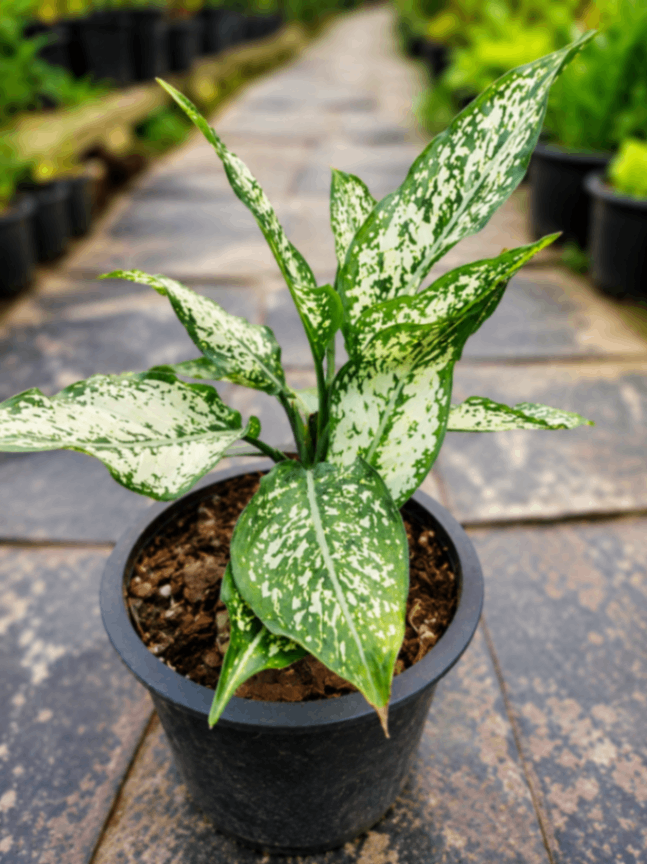
Aglaonema — brings actual colour rather than another green silhouette, and tolerates moderate light and irregular water. Good for reception, where the plant is doing visual work.
Philodendron Birkin — the one to reach for when someone wants the office to look designed. Needs a little more care than the others, so put it where it will be seen and therefore noticed.
For day-to-day care on the two toughest of these, our ZZ plant care guide and jade plant guide go into detail.
What Not to Buy for an Office
Ferns, calatheas and most prayer plants need humidity that an air-conditioned office does not have. Fiddle leaf figs drop leaves at the first change in position or temperature and will be blamed on you. Anything that flowers will look excellent for three weeks and tired for the rest of the year. And avoid trailing plants at desk height entirely — they get caught on chair backs and bags.
How Many Plants an Office Actually Needs
Fewer, larger plants read better than many small ones, and cost less to maintain. A workable starting point for a single floor:
One floor-standing plant per zone — reception, each meeting room, the ends of long corridors. These do the visual work.
One desk plant for every three to four desks, rather than one per desk. Clustered on shared surfaces and window ledges they look intentional; one small plant per desk looks like an office supply order.
Two or three spares kept at reception, so anything struggling can be swapped out and rotated rather than sitting there looking sick.
For a typical 30-person office over one floor, that lands around 12 to 18 plants, not 30.
Placement: Map the Light First
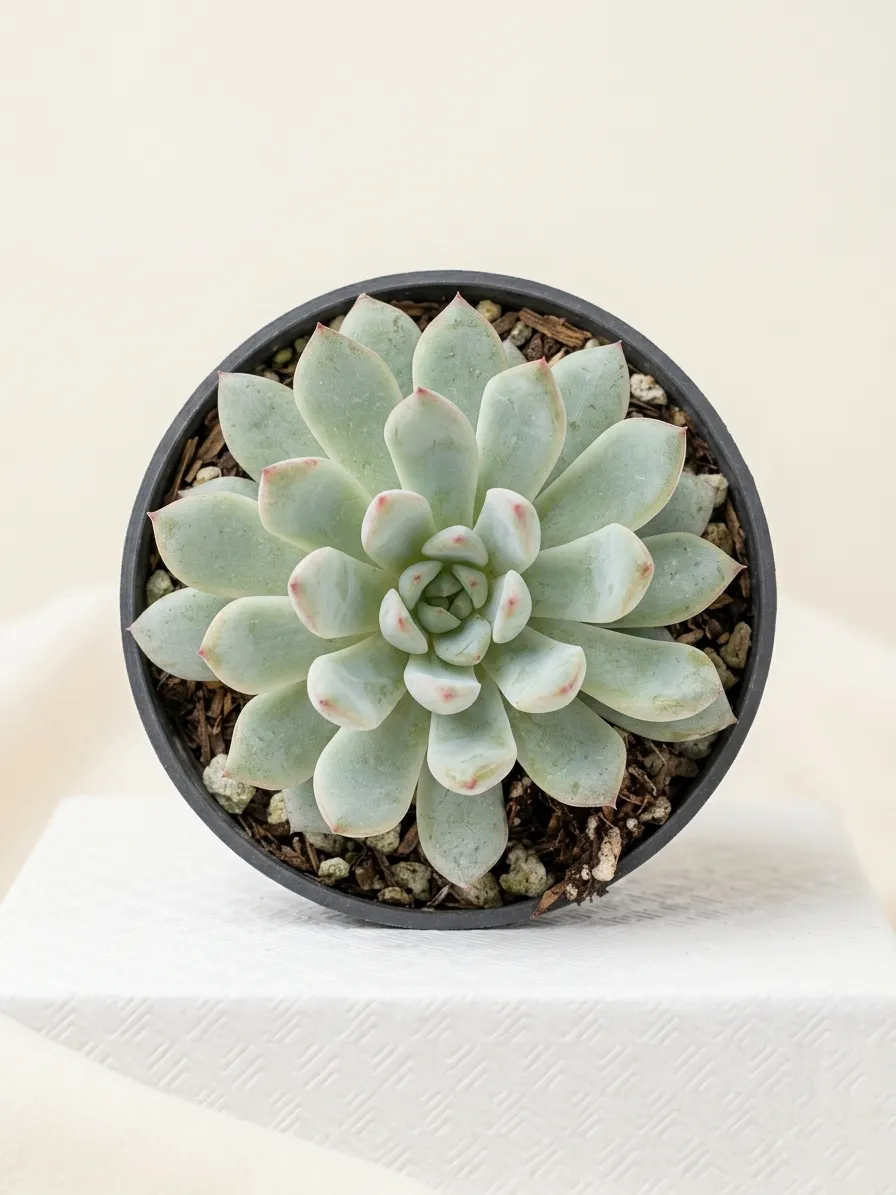
Walk the floor once before ordering anything and sort the space into three groups. Desks within about two metres of a window take the light-hungry plants — jade, echeveria, anything succulent. The middle of the floor takes aglaonema and philodendron. Rooms with no window at all take ZZ and snake plants only, and even they will grow slowly.
Getting this wrong is the second most common failure after watering. A jade in a windowless meeting room will stretch, pale and collapse within a few months, and the conclusion drawn will be that plants do not work in your office.
Who Waters Them
Pick one of two arrangements and write it down. Either one named person owns it with a recurring calendar reminder, a single watering can, and the authority to tell everyone else not to help — or you outsource it.
Our monthly care plan exists for the second option: scheduled visits for watering and feeding, seasonal swaps as the light changes through the year, free replacement of anything that fails, and one WhatsApp contact for the whole site. It runs roughly Rs. 3,000 to 5,000 per month per site depending on how many plants there are and how often we visit.
Either arrangement works. What does not work is assuming it will happen.
Buying Plants for an Office
Small offices can order straight from the office plants collection. From 25 plants you move to bulk rates, delivered and placed rather than left in a stack of boxes at reception — you can see the pricing and how it works on our bulk and corporate page. Every plant carries our seven-day healthy arrival guarantee, and if you are on a care plan, replacement continues for as long as the plan runs.
Shop the Guide
Everything you need to get started.