Meet the Jade Plant — Pakistan's Favourite Living Heirloom
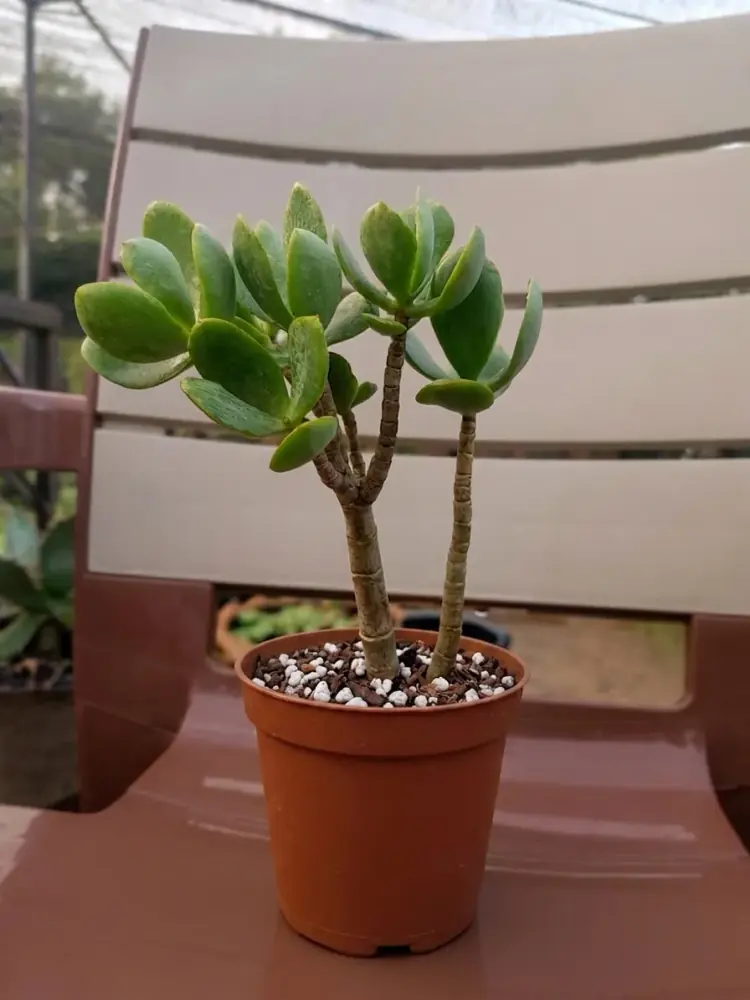
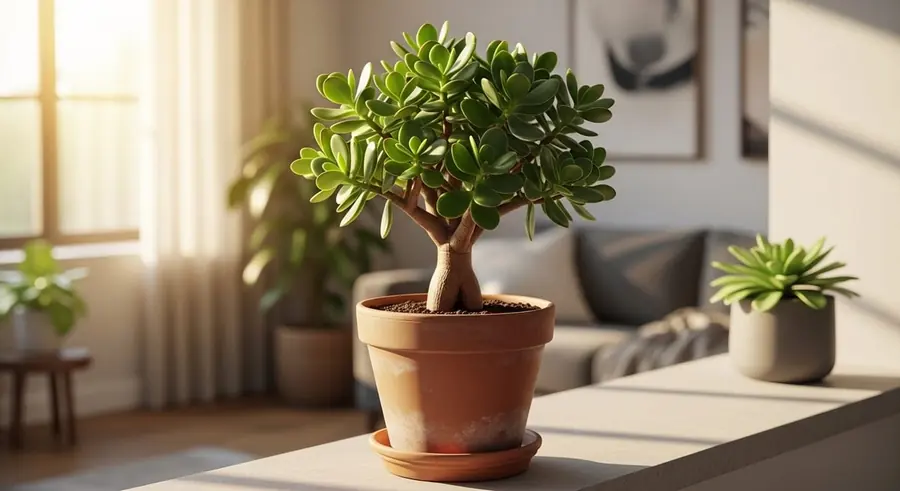
The Jade Plant, known scientifically as Crassula Ovata, is one of those rare plants that looks like it belongs in an interior design magazine but requires almost zero effort to maintain. With its thick, oval, emerald-green leaves and woody branching stems, it grows slowly into a beautiful miniature tree that can live for decades — often being passed down through generations in Pakistani families.
It is one of our best-selling plants at Succulent Studio, and once you understand its simple needs, you will see exactly why.
Light — The Key to a Healthy Jade Plant
The Jade Plant is a succulent at heart, which means it loves light. Unlike the ZZ Plant or Pothos, it will not thrive in a dark corner. Give it a good light source and it will reward you with compact, richly colored growth. Deprive it of light and it will stretch, pale, and slowly decline.
Ideal spot: An East-facing windowsill in your Islamabad or Rawalpindi home where it receives gentle morning sun for 3–4 hours, followed by bright indirect light for the rest of the day.
South-facing windows: Also excellent, especially in winter when Islamabad's sun is lower and less intense. In summer, use a light curtain to filter the harsh afternoon rays.
Avoid: Direct harsh afternoon sun from May to August. Temperatures above 40°C combined with intense sun through glass will scorch the leaf edges and cause permanent brown patches.
Outdoor growing: Jade Plants do beautifully on shaded balconies and courtyards in Islamabad and Rawalpindi from September through May. Bring them inside or under cover during the monsoon season.
Watering — Less Than You Think
The Jade Plant stores water in its thick leaves and stems, which means it can survive — and actually prefers — periods of dryness between waterings. The most common mistake Pakistani plant owners make is watering on a fixed schedule rather than checking the soil first.
Spring & Autumn (March–May, September–November): Water every 10–14 days. This is the active growing season and the plant will use moisture more readily.
Summer (June–August): Water every 2–3 weeks. During Islamabad and Rawalpindi's monsoon, reduce watering significantly — the high humidity means soil stays wet much longer than usual.
Winter (December–February): Water just once a month. The Jade Plant slows down considerably in the cold and needs very little moisture. Cold wet roots in Islamabad's 2–5°C winter nights is a fast track to root rot.
The finger test: Always check before watering. Push a finger 2 inches into the soil. If you feel any moisture at all — wait. Only water when the soil is completely dry all the way through.
Soil & Potting
Like all succulents, the Jade Plant demands fast-draining soil. Regular garden soil or the dense "Bhal mitti" sold at roadside nurseries in Rawalpindi will hold too much moisture and rot the roots within a single monsoon season.
Use a mix of:
40% Perlite or Pumice — for fast drainage
40% Leaf Mold — for light organic nutrition
20% Coarse Sand — for additional drainage and structure
Terracotta pots are ideal for Jade Plants in Pakistan. They are porous, allow the soil to breathe, and dry out much faster than plastic or ceramic — exactly what a succulent needs during our humid summers.
Feeding Your Jade Plant
The Jade Plant is a slow grower and does not need heavy fertilizing. Over-feeding actually does more harm than good — it causes weak, soft growth that is more susceptible to disease.
When to feed: Once in early spring (March) and once in early autumn (September).
What to use: A balanced liquid fertilizer diluted to half the recommended strength. A succulent-specific fertilizer is even better.
Never fertilize in winter. The plant is dormant and cannot absorb nutrients — they will just accumulate as salt deposits in the soil and damage the roots over time.
Temperature & Islamabad Winters
The Jade Plant handles Islamabad and Rawalpindi's climate well for most of the year, but winter requires a little attention.
Ideal temperature: 16–24°C — perfect for our spring and autumn seasons.
Cold tolerance: Jade Plants can handle temperatures down to about 10°C. Below this, growth stops and the plant becomes vulnerable to cold rot.
Winter action plan: Move your Jade Plant away from cold exterior windows in January and February. A spot 1–2 meters from a South-facing window that still gets good light but stays above 10°C at night is ideal.
Frost warning: If you live in the Margalla foothills area of Islamabad where frost occasionally occurs, bring your Jade Plant completely inside from November through February.
Shaping & Pruning
One of the most satisfying things about owning a Jade Plant is shaping it over time into a beautiful bonsai-like tree. Pruning is simple and actually encourages the plant to branch out and grow fuller.
Use sterilized scissors or a clean knife to trim any stems that are growing in an unwanted direction.
Cut just above a leaf node — the small bump where a leaf meets the stem. The plant will sprout two new branches from this point, making it bushier and more tree-like over time.
Best time to prune: Early spring, just as the plant is coming out of its winter dormancy. Avoid pruning during the monsoon season when the humidity increases the risk of the cut ends developing fungal issues.
Don't throw away the cuttings — Jade Plant stem cuttings root very easily. Let them dry for 3–5 days, then plant in dry succulent soil for free new plants.
Common Problems & Solutions
Dropping Leaves
A Jade Plant suddenly dropping multiple leaves is almost always a stress response — most commonly caused by overwatering, a sudden change in temperature, or being moved from one light environment to a very different one. Identify the most likely cause, correct it, and the plant will stabilize within a few weeks.
Wrinkled or Shriveled Leaves
This is the opposite problem — your plant is thirsty. Give it a deep soak immediately, watering until water runs freely from the drainage holes. The leaves should plump back up within 2–3 days.
Soft, Mushy Stem at the Base
This is root rot caused by overwatering — particularly common during Islamabad's monsoon season. Unpot the plant immediately, remove all rotten roots and any soft stem tissue with a sterilized knife, allow the plant to dry for 2–3 days, and repot in fresh dry soil.
Leggy, Stretched Growth
Your plant needs more light. Move it to a brighter spot — ideally an East or South-facing window. The stretched growth will not reverse, but new growth from that point will be compact and healthy.
The Jade Plant as a Gift
In many cultures across Asia, the Jade Plant is considered a symbol of good luck, prosperity, and lasting friendship — which is why it has been a popular housewarming and Eid gift for generations in Pakistan. Its slow growth and long lifespan mean a well-cared-for Jade Plant can genuinely last a lifetime, making it one of the most meaningful living gifts you can give.
At Succulent Studio, our Jade Plants are pre-acclimatized to indoor conditions and come with a care card — making them a complete, thoughtful gift straight out of the box.
Shop the Guide
Everything you need to get started.