Why Winter is the Most Dangerous Season for Plants in Pakistan
Most Pakistani plant owners worry about the summer heat — but experienced growers know that winter is actually when the most plants die. The combination of dropping temperatures, reduced sunlight, cold drafts from windows, and the very common mistake of continuing to water at summer frequency creates the perfect storm for root rot, cold damage, and slow decline.
The good news is that winter plant care is not complicated. It just requires a few deliberate adjustments. Get these right and your plants will sail through the Islamabad and Rawalpindi winter and explode with new growth come March.
Understanding Islamabad & Rawalpindi Winters
Before adjusting your plant care routine, it helps to understand what your plants are actually experiencing from November through February.
Temperature range: Daytime highs of 12–18°C, with nights regularly dropping to 2–5°C in January and February. In the Margalla foothills areas of Islamabad, brief frost is possible on the coldest nights.
Light levels: Winter days are shorter and the sun sits lower in the sky, meaning your plants receive significantly less light intensity than in summer — even if they are in the same spot by the window.
Humidity: Winters in Islamabad and Rawalpindi tend to be dry, especially when indoor heaters are running. This low humidity can stress tropical plants and cause brown leaf tips.
Soil drying time: Cold soil holds moisture far longer than warm soil. A pot that dried out in 5 days during summer may take 2–3 weeks to dry out in December. This is the main reason winter overwatering happens — the schedule that worked in summer becomes dangerous in winter.
The #1 Winter Rule — Cut Back on Watering
This is the most important adjustment you will make and the one that saves the most plants. Almost every plant slows down or goes dormant in winter, meaning it needs far less water than during its active growing season.
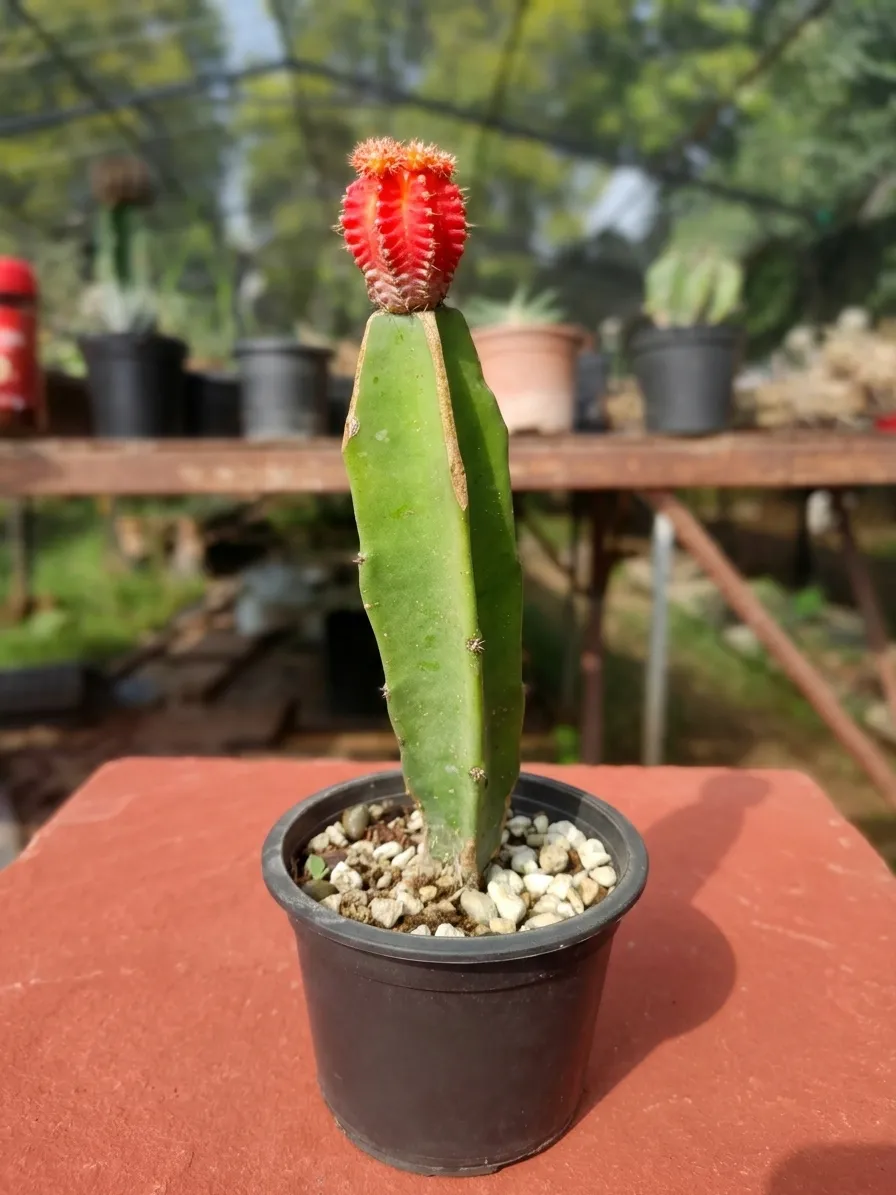
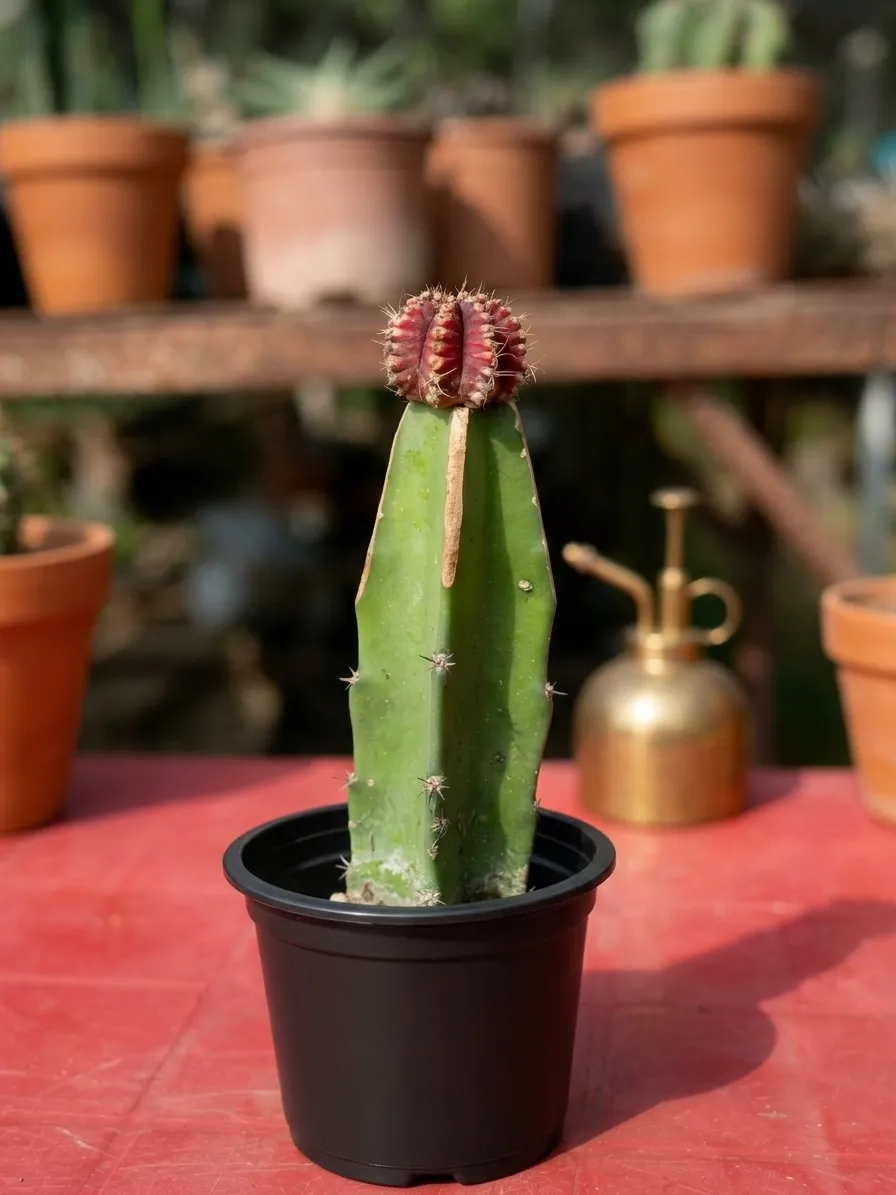
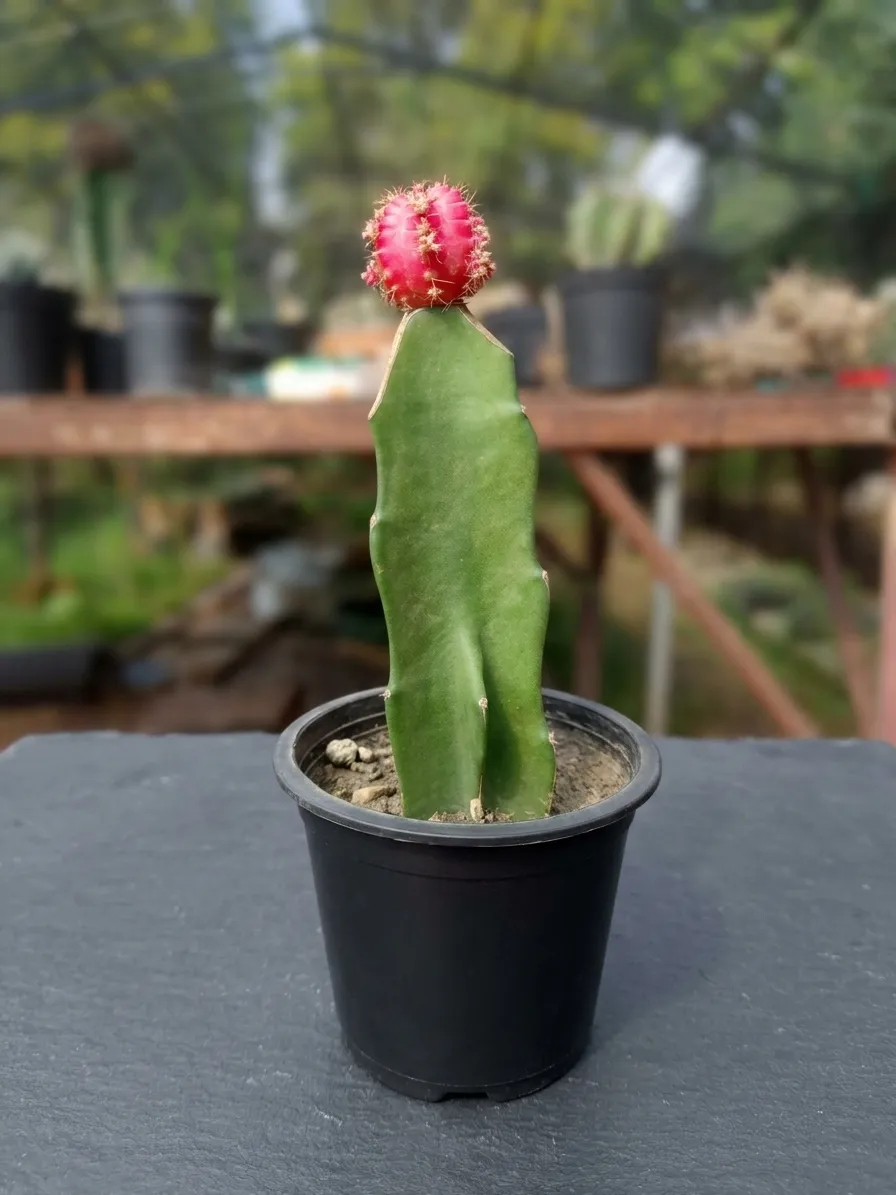
Succulents & Cacti: Water just once a month in December and January. Some well-established plants can go 6–8 weeks without water and be perfectly fine.
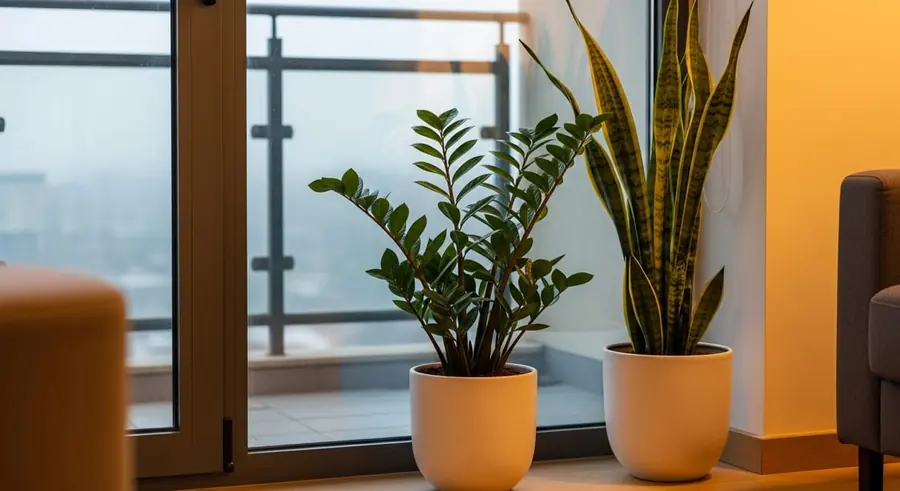
ZZ Plants & Snake Plants: Water every 3–4 weeks. These are naturally drought-tolerant and their growth virtually stops in winter.
Tropical plants (Pothos, Peace Lily, Monstera): Reduce from your summer schedule by about half. If you were watering every week in summer, water every 2 weeks in winter.
Always do the finger test first. Push a finger 2 inches into the soil before every watering. If there is any moisture, wait. Cold wet roots are far more dangerous than dry roots in winter.
Light — Moving Plants for the Winter Sun
As the sun shifts south and days shorten, the bright spot your plant thrived in during summer may no longer provide adequate light in winter. A plant that was happily 2 meters from a window in July may need to be right on the windowsill by December.
South-facing windows become your most valuable real estate in winter. The low winter sun shines directly through South-facing glass — move your light-hungry plants like succulents, cacti, and Jade Plants here.
Wipe dusty leaves. Islamabad and Rawalpindi winters are dusty. A layer of dust on leaves can reduce light absorption by up to 20%. Gently wipe leaves with a damp cloth once a month.
Rotate pots quarterly. Turn your pots a quarter turn every few weeks so all sides of the plant receive equal light exposure and growth stays even.
Protecting Plants from Cold Drafts
In Pakistani homes, the biggest source of cold damage is not the outdoor temperature — it is cold drafts from poorly sealed windows and exterior walls. A plant sitting directly against a single-pane window in Islamabad in January may experience leaf temperatures close to freezing even when the room feels reasonably warm.
Move plants 15–20cm away from cold exterior windows in January and February. They can still benefit from the light without being damaged by the cold glass.
Close windows near your plants on cold nights. A single night of cold draft exposure can cause black, water-soaked patches on tropical plant leaves that are permanent.
Avoid placing plants near air conditioning units running in heating mode — the dry, hot air blowing directly onto leaves causes rapid dehydration and brown tips.
Humidity — The Overlooked Winter Problem
When heaters run in Pakistani homes during winter, indoor humidity drops significantly. Most tropical houseplants prefer 40–60% humidity. A heated room in Islamabad in January can drop to 20–25% — drying out leaf tips and stressing plants that normally handle our climate just fine.
Group plants together. Plants release moisture through their leaves — grouping them creates a small humidity microclimate that benefits all of them.
Place a shallow tray of water near your plants. As it evaporates, it raises the local humidity slightly. Refill it every few days.
Mist sensitive plants weekly. Peace Lilies, Monsteras, and Ferns benefit from a light misting of their leaves once a week during dry winter months. Do this in the morning so leaves dry before the cold night sets in.
Do not mist succulents or cacti. They actively dislike humidity and misting in winter can trigger rot.
Fertilizing in Winter — Stop Completely
This is a simple rule with no exceptions for most plants — do not fertilize from November through February. Plants are dormant or growing very slowly during this period and cannot absorb nutrients. Fertilizer applied to dormant roots sits in the soil and builds up as salt deposits that burn roots and damage the plant over time. Resume feeding in March when you see the first signs of new growth emerging.
Winter Care by Plant Type
Succulents & Cacti
Move to your sunniest South-facing window.
Water once a month maximum.
Keep above 5°C — bring inside if on a balcony.
Do not mist or increase humidity around them.
ZZ Plant & Snake Plant
Tolerates low light but grows better near a window in winter.
Water every 3–4 weeks.
Keep above 10°C — away from cold exterior walls.
No feeding until March.
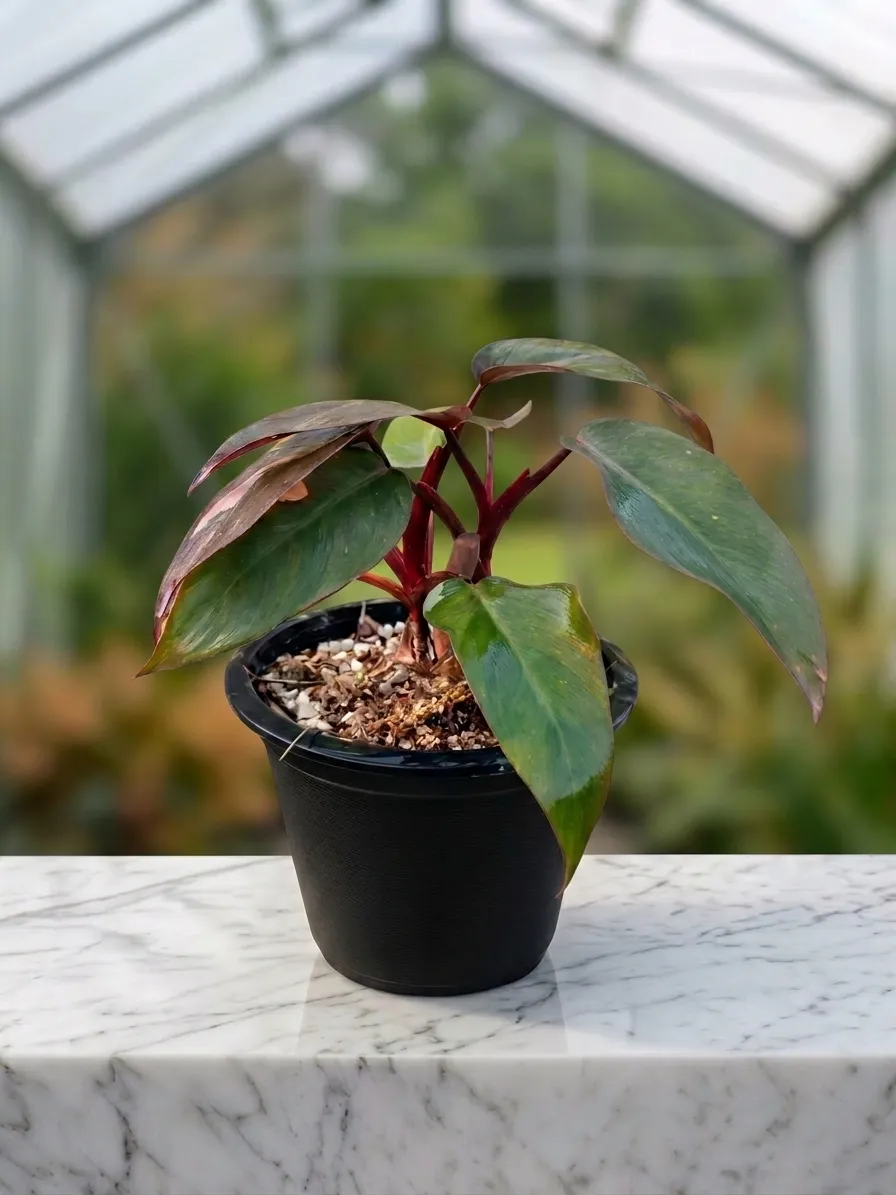
Pothos & Philodendron
Maintain in bright indirect light.
Reduce watering by half compared to summer schedule.
Mist leaves weekly if your home is heated and dry.
Keep above 12°C.
Peace Lily
Move to a warmer interior room away from cold windows.
Water every 2–3 weeks — allow soil to partially dry between waterings.
Mist leaves weekly — Peace Lilies struggle in dry heated air.
Do not be alarmed if flowering stops — it will resume in spring.
Signs Your Plant is Struggling in Winter
Yellowing lower leaves: Usually overwatering in cold soil. Stop watering and allow to dry completely.
Brown crispy leaf tips: Low humidity or cold draft damage. Increase humidity and move away from cold windows.
Soft, black patches on leaves: Cold damage from a draft or frost exposure. Remove affected leaves and move the plant to a warmer spot immediately.
No new growth at all: Normal for most plants in winter — do not over-water or fertilize trying to force growth. Wait for March.
The Winter Checklist for Islamabad & Rawalpindi Plant Owners
Cut watering frequency by at least half across all plants.
Move light-hungry plants to South-facing windows.
Pull all plants 15–20cm away from cold exterior glass at night.
Stop all fertilizing until March.
Wipe dusty leaves once a month.
Group tropical plants together to maintain humidity.
Check for cold draft damage weekly and relocate affected plants.
Follow this checklist and your plants will not just survive the Islamabad winter — they will emerge in spring healthier and more vigorous than ever, ready for a full season of growth.
Shop the Guide
Everything you need to get started.